End-to-end sensor fusion and classification of atrial fibrillation

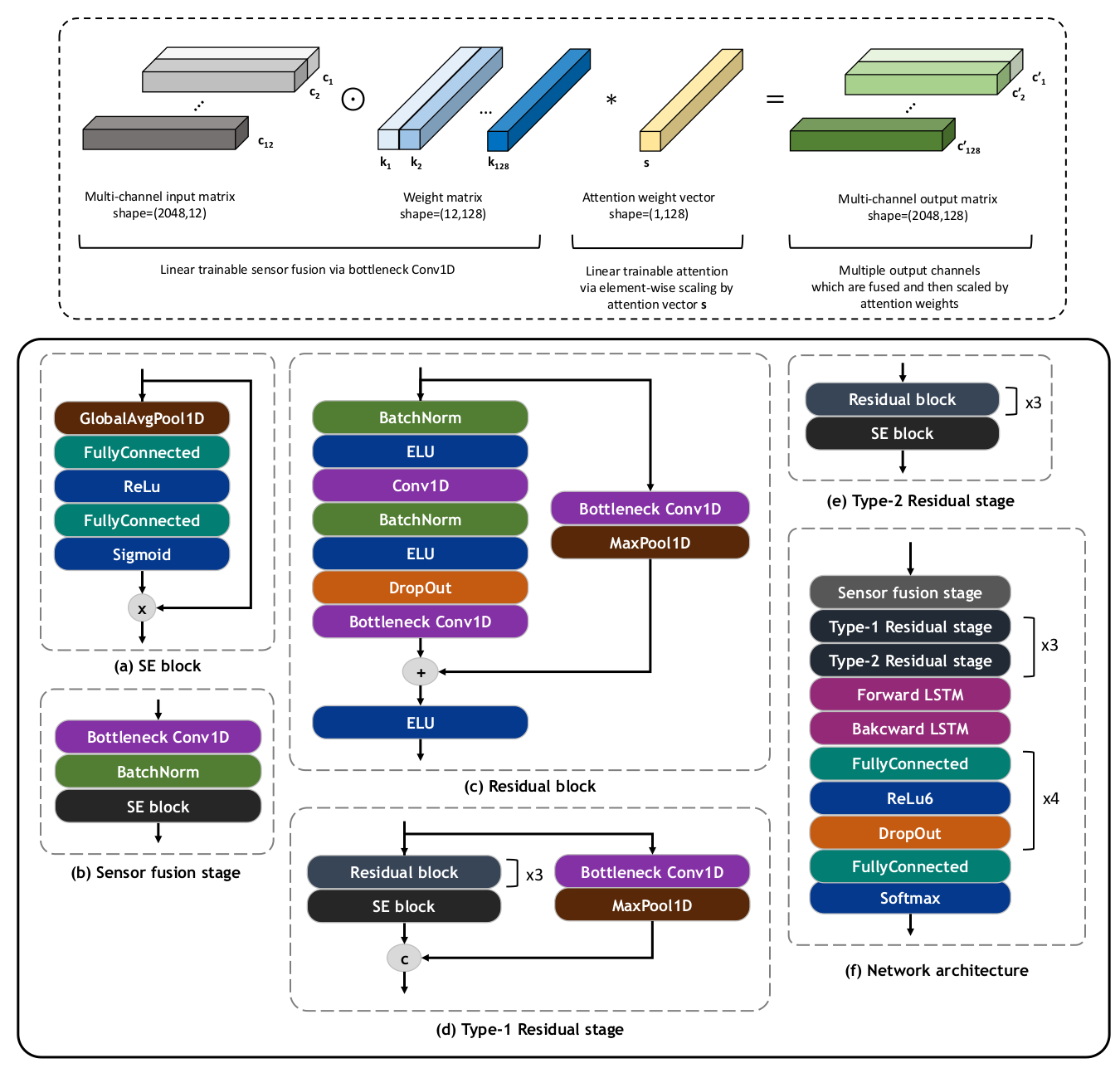
End-to-end sensor fusion and classification of atrial fibrillation using deep neural networks and smartphone mechanocardiography

This paper presents a deep learning framework for detecting atrial fibrillation (AFib) by analyzing the heart’s mechanical functioning using smartphone mechanocardiography. The model achieves high accuracy in classifying sinus rhythm, AFib, and Noise categories.
May 2022 · Saeed Mehrang, Mojtaba Jafari Tadi, Timo Knuutila, Jussi Jaakkola, Samuli Jaakkola, Tuomas Kiviniemi, Tuija Vasankari, Juhani Airaksinen, Tero Koivisto, Mikko Pänkäälä
Reliability of atrial fibrillation detection

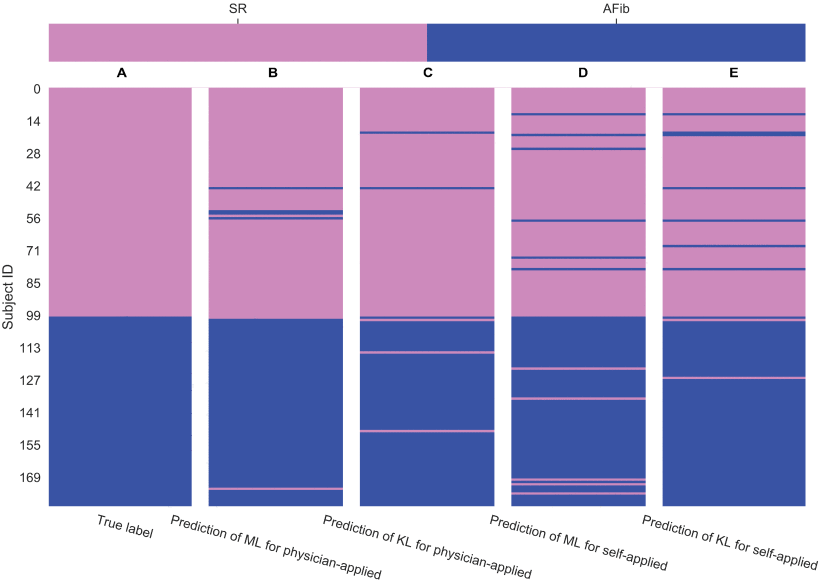
Reliability of Self-Applied Smartphone Mechanocardiography for Atrial Fibrillation Detection

This study investigates the reliability of self-applied smartphone mechanocardiography (sMCG) for the detection of atrial fibrillation (AFib). The results show that sMCG can accurately differentiate AFib from sinus rhythm in both physician- and self-applied recording scenarios.

October 2019 · Saeed Mehrang, Mojtaba Jafari Tadi, Timo Knuutila, Jussi Jaakkola, Samuli Jaakkola, Tuomas Kiviniemi, Tuija Vasankari, Juhani Airaksinen, Tero Koivisto, Mikko Pänkäälä
Comprehensive Analysis of Cardiogenic Vibrations for Automated Detection of Atrial Fibrillation Using Smartphone Mechanocardiograms

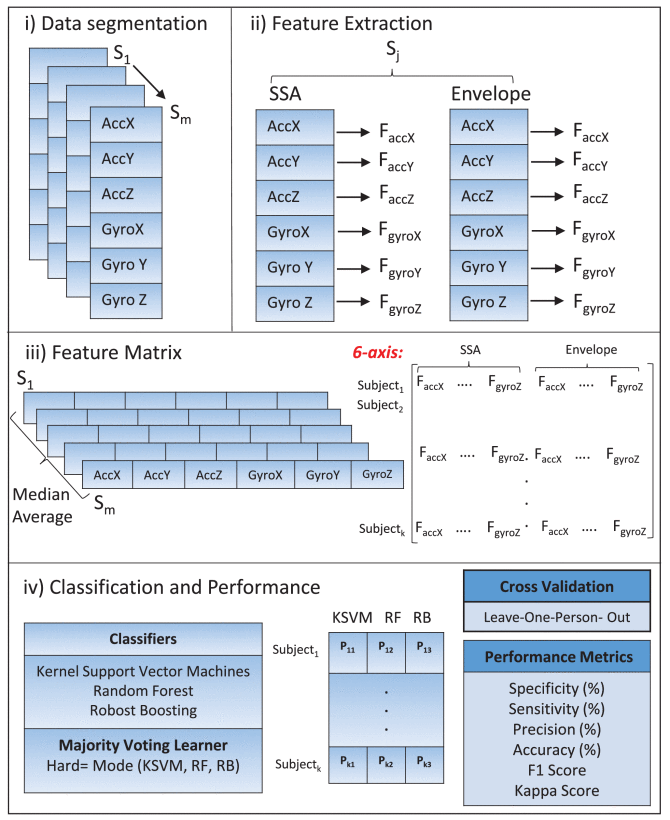
Comprehensive Analysis of Cardiogenic Vibrations for Automated Detection of Atrial Fibrillation Using Smartphone Mechanocardiograms

This paper presents a comprehensive time-frequency pattern analysis approach for automated detection of AFib from smartphone-derived seismocardiography (SCG) and gyrocardiography (GCG) signals. The experimental results showed high accuracy, sensitivity, and specificity for both cross-validation and cross-database tests.

November 2018 · Mojtaba Jafari Tadi, Saeed Mehrang, Matti Kaisti, Olli Lahdenoja, Tero Hurnanen, Jussi Jaakkola, Samuli Jaakkola, Tuija Vasankari, Tuomas Kiviniemi, Juhani Airaksinen, Timo Knuutila, Eero Lehtonen, Tero Koivisto, Mikko Pänkäälä
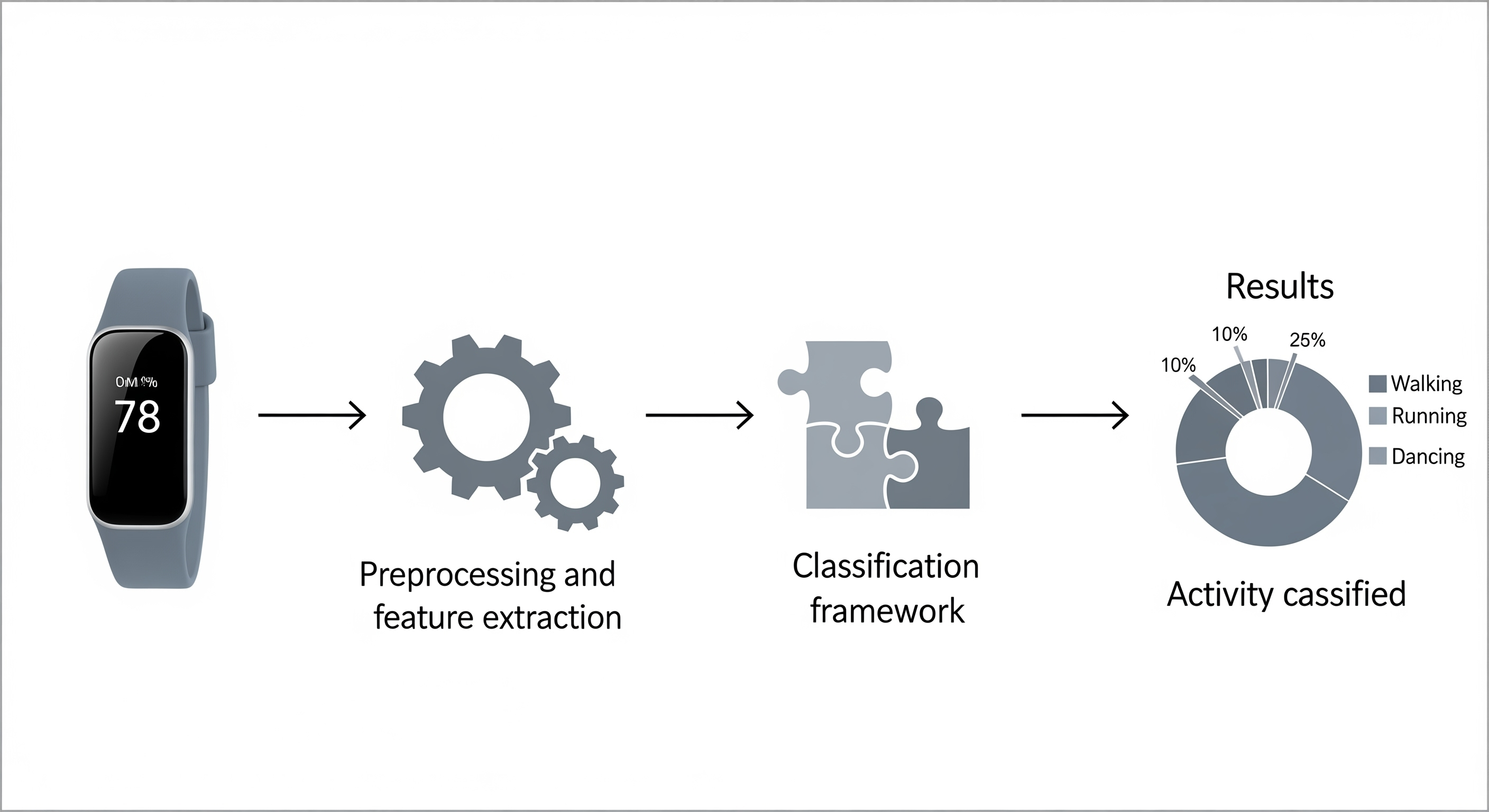
Activity Recognition Framework

An Activity Recognition Framework Deploying the Random Forest Classifier and A Single Optical Heart Rate Monitoring and Triaxial Accelerometer Wrist-Band

This paper investigates a range of daily life activities and uses a random forest classifier to detect them based on wrist motions and optical heart rate. The highest accuracy was achieved with a forest of 64 trees and 13-s signal segments.

February 2018 · Saeed Mehrang, Julia Pietilä, Ilkka Korhonen